Turning Trials into Triumph: A Journey with Kidney Disease

2026-01-09T13:48:41-05:00January 5th, 2026|Categories: Diagnosis of Kidney Disease, Dialysis, In-Center Hemodialysis, Kidney Transplant, Peritoneal Dialysis, Quality of Life, Support, The Kidney Citizen, Treatment, What Causes Kidney Disease|

Alethea Walls, DPC Board Member I've learned that living with kidney disease doesn't mean life stops - it just means you learn to live it differently. My journey with kidney disease began at just 14 years old. I was diagnosed with rapidly progressive glomerulonephritis (RPGN), and my life changed overnight. While most teenagers were navigating high school and part-time jobs, I was learning about my treatment options. I started with peritoneal dialysis, then transitioned to hemodialysis. Each option came with its own adjustments, but I wasn't going to let this stop me. As soon as I turned 16, [...]

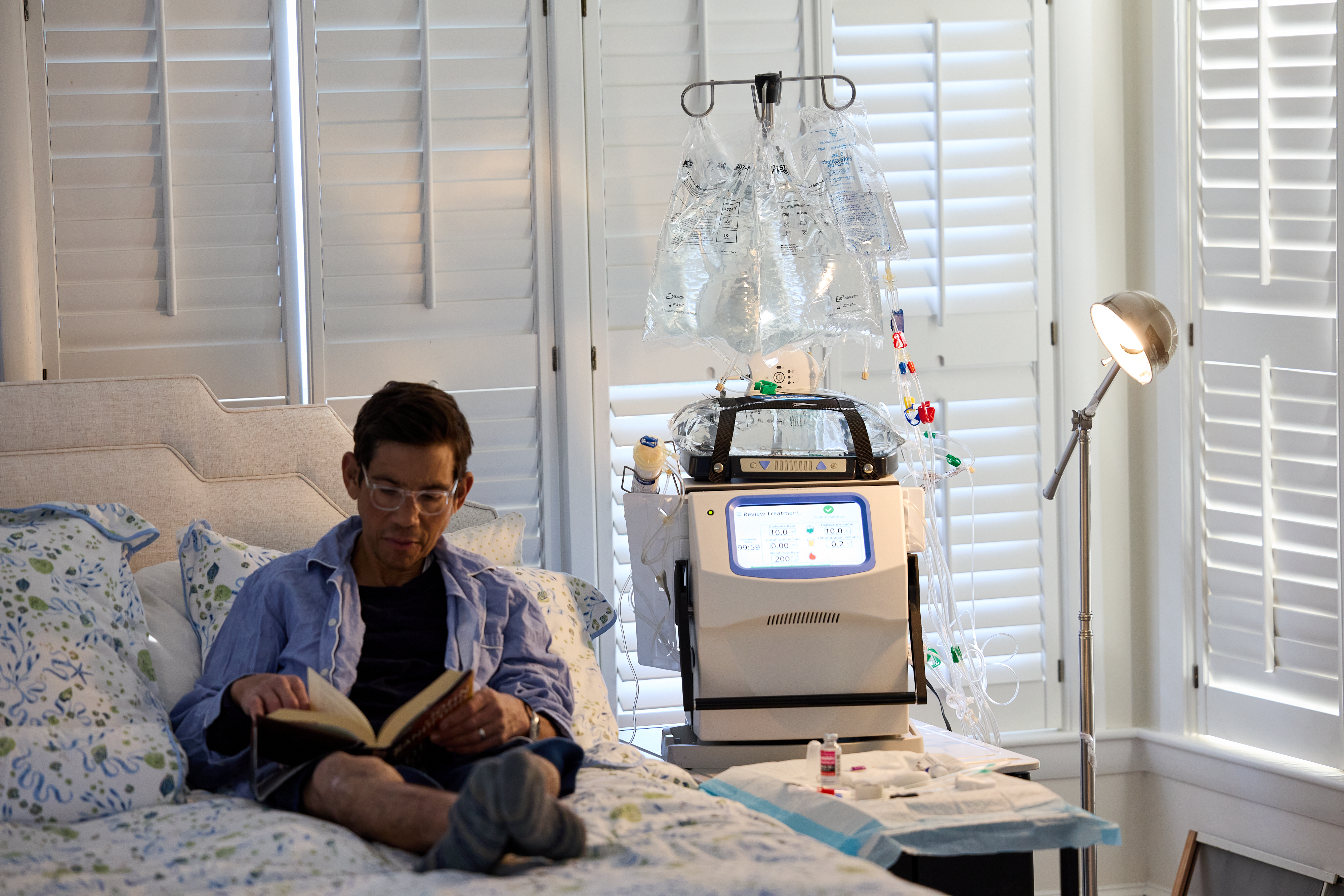
Nocturnal Home Hemodialysis (HHD): Kidney Replacement Therapy with Less Impact on Daily Life

2026-01-09T13:23:02-05:00January 5th, 2026|Categories: Diagnosis of Kidney Disease, Dialysis, In-Center Hemodialysis, Kidney Transplant, Mental Health, Peritoneal Dialysis, Quality of Life, Support, The Kidney Citizen, Treatment, What Causes Kidney Disease|

Brigitte Schiller, MD, FACP, FASN, SVP, Medical Officer: Home Therapies, Global Medical Office, Medical Affairs, Fresenius Medical Care Important progress has been made in the delivery of dialysis. The “one size fits all” approach with standard thrice-weekly in-center hemodialysis shifts toward personalized care, emphasizing quality of life, independence, and symptom management tailored to each person’s clinical and personal needs. Kidney replacement therapy at home is a critical ingredient in this effort. While kidney transplantation remains the gold standard of end-stage kidney disease (ESKD), most people require dialysis before receiving a transplant. As patients await transplantation, selecting the appropriate [...]

Staying Hopeful Through the Wait

2026-01-09T13:12:47-05:00January 5th, 2026|Categories: Diagnosis of Kidney Disease, Dialysis, In-Center Hemodialysis, Kidney Transplant, Mental Health, Peritoneal Dialysis, Quality of Life, Support, The Kidney Citizen, Treatment, What Causes Kidney Disease|

Hasan Artharee, DPC Board Member Polycystic kidney disease (PKD) runs in my family. I watched my grandmother go through dialysis when I was young, and later my mother during my college years. So, when I was diagnosed with PKD at 22, I understood what the future might hold. The diagnosis came after my blood pressure kept rising and I needed medication. My doctors checked my kidneys and found that PKD was affecting my blood pressure and other systems. They told me that based on my family history, I'd probably need dialysis or a transplant by my 40s. For [...]

Diabetic Kidney Disease

2024-12-11T11:39:56-05:00December 11th, 2024|Categories: Dialysis, Early Intervention, eNews, Lifestyle, Physical Health, Staying Healthy, What Causes Kidney Disease|

The following information will focus on diabetic kidney disease and is taken from the National Institute of Health (www.niddk.nih.gov): What is diabetic kidney disease?  Diabetic kidney disease is a type of kidney disease caused by diabetes. Diabetes is the leading cause of kidney disease. About 1 out of 3 adults with diabetes has kidney disease.1 The main job of the kidneys is to filter wastes and extra water out of your blood to make urine. Your kidneys also help control blood pressure and make hormones that your body needs to stay healthy. When your kidneys are damaged, they can’t filter blood like they should, which can cause wastes [...]

Ask the Doctor April 2024

2024-04-26T15:35:18-04:00April 26th, 2024|Categories: Costs for Treatment, Dialysis, Hemodialysis, Kidney Transplant, Medication, The Kidney Citizen, What Causes Kidney Disease|

Velma Scantlebury, MD, DPC Education Center Health Care Consultant 1. Will a transplanted patient who receives a kidney from a diabetic individual become diabetic? Diabetes results from a lack of the ability of your body to produce/and or use insulin effectively. If a kidney is used from a deceased donor who is diabetic, it is often biopsied to make sure that the kidney is not damaged from diabetes. Some transplant patients are at risk of becoming diabetic due to the anti-rejection medications used, including the use of steroids to treat rejection episodes. Therefore, your risk of becoming diabetic [...]

New Study Shows Age-Related Kidney Function Differs by Gender

2024-03-28T20:57:56-04:00September 8th, 2022|Categories: Diagnosis of Kidney Disease, eNews, Stages of Kidney Disease, What Causes Kidney Disease|

A study of 1,837 people aged 50-62, which replicated accurate measurements of kidney function in health women and men over time, may partly explain why more women are diagnosed with early CKD and more men develop severe CKD and kidney failure as they age. The baseline mean glomerular filtration rate (GFR) was 90 ml/min/1.73 m.2 for women and 98 ml/min/1.73m.2 for men (P<0.001). However, additional measurements over 11 years of follow-up showed that men experienced a mean decrease in GFR 25% more than women. The study, published in Journal of the American Society of Nephrology (JSN) showed that the relationship [...]

Wellness and Mental Health While Living with Rare Disease

2024-03-28T20:58:14-04:00April 25th, 2022|Categories: Lifestyle, Mental Health, Physical Health, Stress Management, The Kidney Citizen, What Causes Kidney Disease|

  By Maya Doyle, MSW, PhD Cystinosis is a rare lysosomal storage disorder (1) that is typically diagnosed in childhood and typically results in kidney failure and progression to dialysis and/or kidney transplant. In the United States, a disease is considered rare if it is affects fewer than 200,000 Americans. According to the National Institutes of Health (NIH), there are approximately 7,000 rare diseases affecting between 25 and 30 million Americans – this means 1 in 10 people may be affected by a rare condition (2). The experience of a rare condition can be very isolating because of the [...]

Better Late than Never: Genetic Diagnosis After Major Medical Events

2024-03-28T20:58:44-04:00December 17th, 2021|Categories: Diagnosis of Kidney Disease, The Kidney Citizen, What Causes Kidney Disease|

By Dawn Laney, MS You have two doctors for your kidneys, one for your heart, one for your head, one for your eyes, and one for your overall health. You are tested, biopsied, and imaged from head to toe on a regular basis. So, when one of these doctors suggests a referral to genetics, you may wonder, “Another doctor? Is it still worth seeking a genetic diagnosis as an adult who has already had kidney failure?” The answer is a resounding “Yes!” One way to improve care in a medically complicated situation is by learning if an underlying genetic condition could [...]

Polycystic Kidney Disease (PKD)

2024-03-28T20:58:46-04:00December 17th, 2021|Categories: The Kidney Citizen, What Causes Kidney Disease|

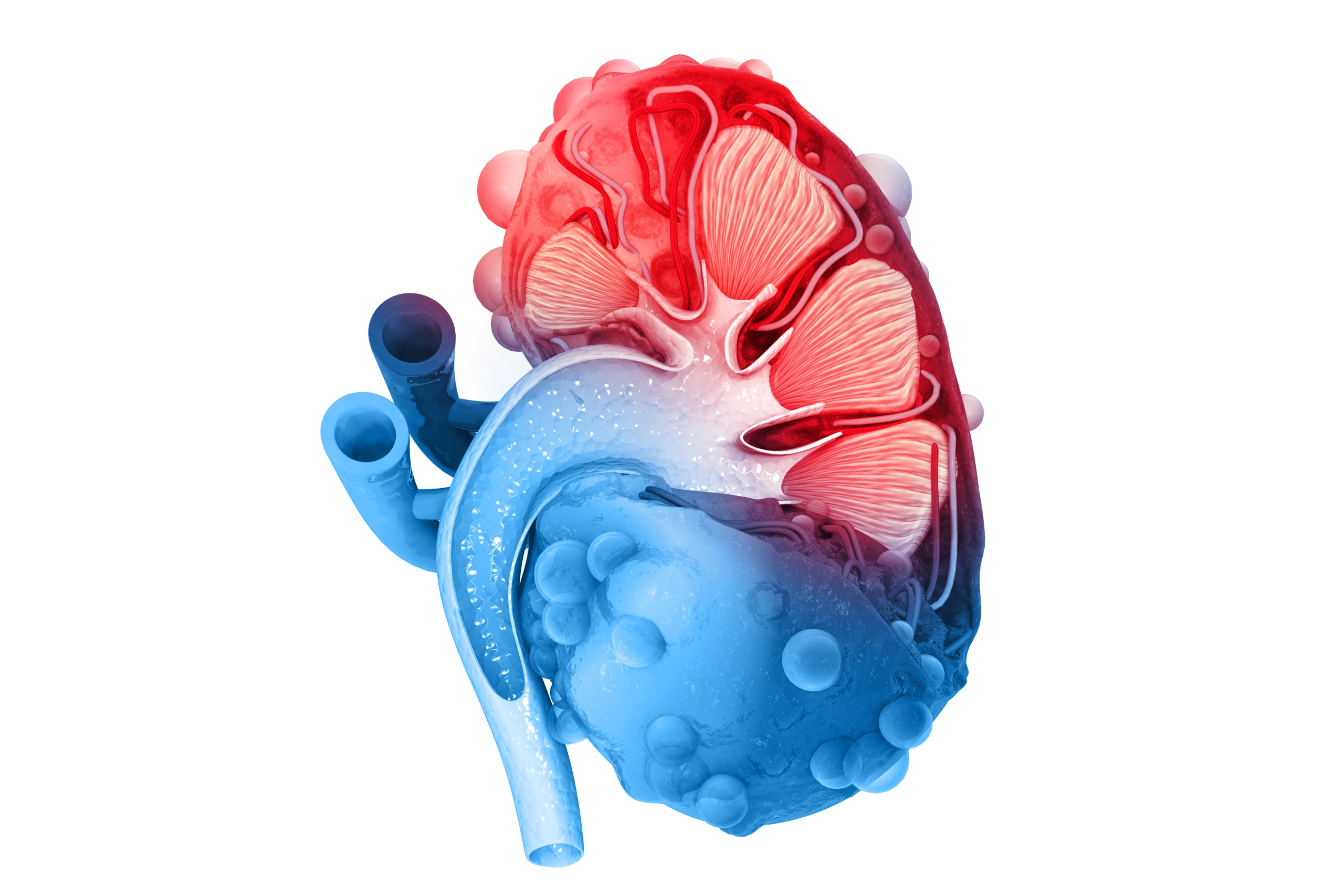
By Mirjana Dimitrijevic, M.D. and Keith A. Bellovich, DO There are two major forms of PKD: autosomal recessive polycystic kidney disease (ARPKD) and autosomal dominant polycystic kidney disease (ADPKD). ARPKD is uncommon and is typically diagnosed in infancy or in utero. Autosomal recessive means that the mutated gene must be present in both parents (carriers) with a 1 in 4 chance that a child will inherit an abnormal gene from both parents and have the disease. In ADPKD each child of an affected parent has a 50% chance of inheriting the disease. ADPKD is the most common inherited kidney disease, characterized [...]

Cystinosis: A Rare and Under-Recognized Cause of Kidney Failure

2024-03-28T20:59:15-04:00April 19th, 2021|Categories: The Kidney Citizen, What Causes Kidney Disease|

By Ladan Golestaneh, MD, MS What is Cystinosis? Cystinosis, or Nephropathic Cystinosis, is a rare genetic disease that affects boys and girls equally and causes a defect in the way that lysosomes (small organelles in cells that remove waste products) are able to remove an amino acid (protein subunit) called Cystine.1-4  The name of the defected gene is CTNS which affects “Cystinosin”, the protein that normally takes Cystine out of the lysosome. As a result of this defect, Cystine accumulates in the cells of various organs and tissues of the body and causes extensive damage. The disease is progressive, meaning it [...]

Go to Top