Turning Trials into Triumph: A Journey with Kidney Disease

2026-01-09T13:48:41-05:00January 5th, 2026|Categories: Diagnosis of Kidney Disease, Dialysis, In-Center Hemodialysis, Kidney Transplant, Peritoneal Dialysis, Quality of Life, Support, The Kidney Citizen, Treatment, What Causes Kidney Disease|

Alethea Walls, DPC Board Member I've learned that living with kidney disease doesn't mean life stops - it just means you learn to live it differently. My journey with kidney disease began at just 14 years old. I was diagnosed with rapidly progressive glomerulonephritis (RPGN), and my life changed overnight. While most teenagers were navigating high school and part-time jobs, I was learning about my treatment options. I started with peritoneal dialysis, then transitioned to hemodialysis. Each option came with its own adjustments, but I wasn't going to let this stop me. As soon as I turned 16, [...]

Nocturnal Home Hemodialysis (HHD): Kidney Replacement Therapy with Less Impact on Daily Life

2026-01-09T13:23:02-05:00January 5th, 2026|Categories: Diagnosis of Kidney Disease, Dialysis, In-Center Hemodialysis, Kidney Transplant, Mental Health, Peritoneal Dialysis, Quality of Life, Support, The Kidney Citizen, Treatment, What Causes Kidney Disease|

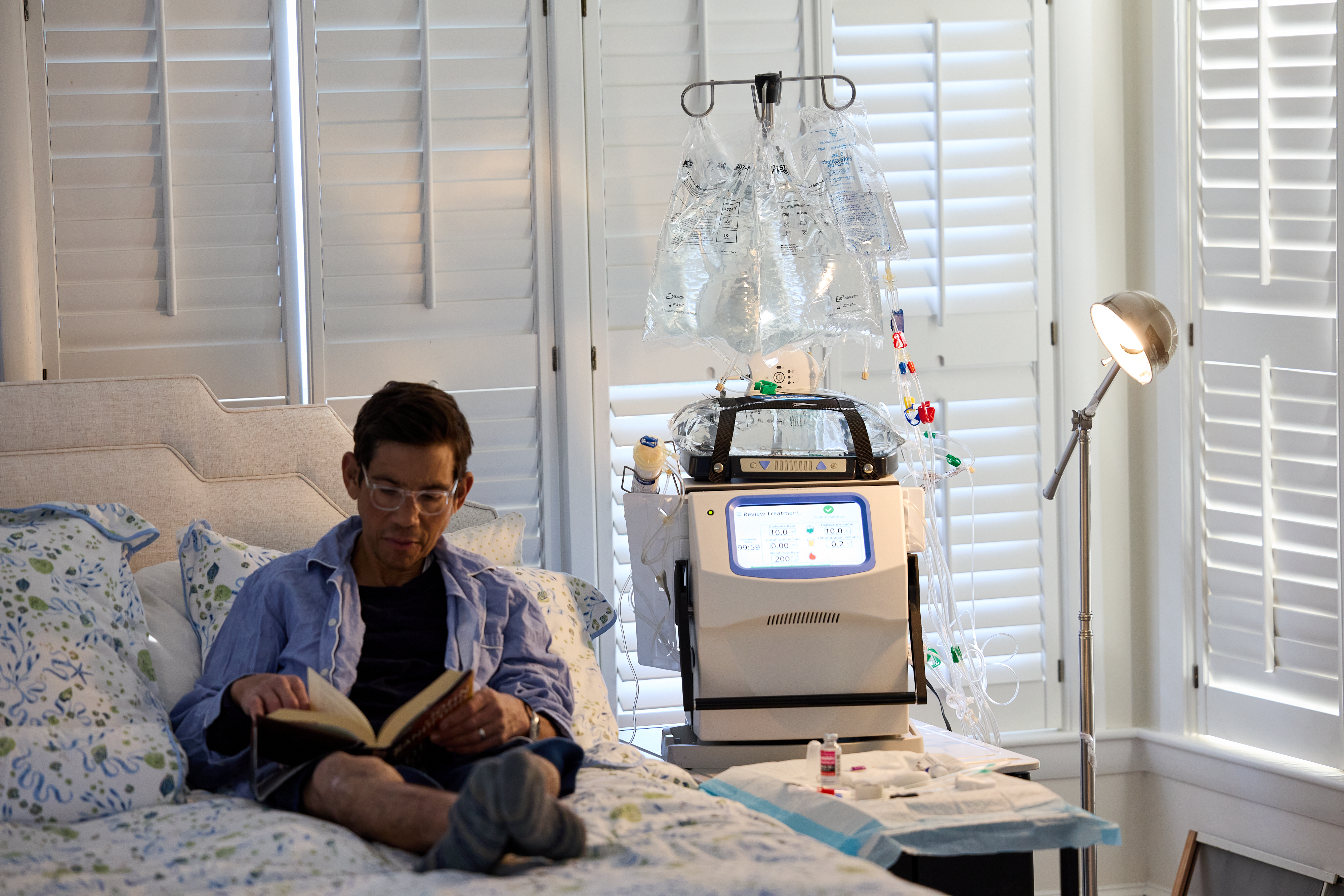
Brigitte Schiller, MD, FACP, FASN, SVP, Medical Officer: Home Therapies, Global Medical Office, Medical Affairs, Fresenius Medical Care Important progress has been made in the delivery of dialysis. The “one size fits all” approach with standard thrice-weekly in-center hemodialysis shifts toward personalized care, emphasizing quality of life, independence, and symptom management tailored to each person’s clinical and personal needs. Kidney replacement therapy at home is a critical ingredient in this effort. While kidney transplantation remains the gold standard of end-stage kidney disease (ESKD), most people require dialysis before receiving a transplant. As patients await transplantation, selecting the appropriate [...]

Staying Hopeful Through the Wait

2026-01-09T13:12:47-05:00January 5th, 2026|Categories: Diagnosis of Kidney Disease, Dialysis, In-Center Hemodialysis, Kidney Transplant, Mental Health, Peritoneal Dialysis, Quality of Life, Support, The Kidney Citizen, Treatment, What Causes Kidney Disease|

Hasan Artharee, DPC Board Member Polycystic kidney disease (PKD) runs in my family. I watched my grandmother go through dialysis when I was young, and later my mother during my college years. So, when I was diagnosed with PKD at 22, I understood what the future might hold. The diagnosis came after my blood pressure kept rising and I needed medication. My doctors checked my kidneys and found that PKD was affecting my blood pressure and other systems. They told me that based on my family history, I'd probably need dialysis or a transplant by my 40s. For [...]

Diabetic Kidney Disease

2024-12-11T11:39:56-05:00December 11th, 2024|Categories: Dialysis, Early Intervention, eNews, Lifestyle, Physical Health, Staying Healthy, What Causes Kidney Disease|

The following information will focus on diabetic kidney disease and is taken from the National Institute of Health (www.niddk.nih.gov): What is diabetic kidney disease?  Diabetic kidney disease is a type of kidney disease caused by diabetes. Diabetes is the leading cause of kidney disease. About 1 out of 3 adults with diabetes has kidney disease.1 The main job of the kidneys is to filter wastes and extra water out of your blood to make urine. Your kidneys also help control blood pressure and make hormones that your body needs to stay healthy. When your kidneys are damaged, they can’t filter blood like they should, which can cause wastes [...]

Ask the Doctor April 2024

2024-04-26T15:35:18-04:00April 26th, 2024|Categories: Costs for Treatment, Dialysis, Hemodialysis, Kidney Transplant, Medication, The Kidney Citizen, What Causes Kidney Disease|

Velma Scantlebury, MD, DPC Education Center Health Care Consultant 1. Will a transplanted patient who receives a kidney from a diabetic individual become diabetic? Diabetes results from a lack of the ability of your body to produce/and or use insulin effectively. If a kidney is used from a deceased donor who is diabetic, it is often biopsied to make sure that the kidney is not damaged from diabetes. Some transplant patients are at risk of becoming diabetic due to the anti-rejection medications used, including the use of steroids to treat rejection episodes. Therefore, your risk of becoming diabetic [...]

For Mike Guffey, Working Was Key to Staying Positive

2024-03-28T20:57:27-04:00June 14th, 2023|Categories: Diagnosis of Kidney Disease, Dialysis, Employment, Hemodialysis, In-Center Hemodialysis, Kidney Transplant, Mental Health, Quality of Life, The Kidney Citizen|

Mike Guffey When Mike Guffey began dialysis treatments in 2008, one of his top priorities was to ensure he had a reason to keep moving forward, something to look forward to when he got out of bed which would allow him to push through his treatment regimen. For him, that meant returning to work as quickly as he could after starting his treatments, especially given how quickly he crashed into life on dialysis. Normally based in Kansas City, Mike was working temporarily as a project manager in Colorado when he noticed something was off. He went to the [...]

Black and Hispanic Patients on Dialysis Have Higher Rates of Staph Bloodstream Infections

2024-03-28T20:57:27-04:00June 14th, 2023|Categories: Diagnosis of Kidney Disease, Dialysis, Early Intervention, Stages of Kidney Disease, Staying Healthy, The Kidney Citizen|

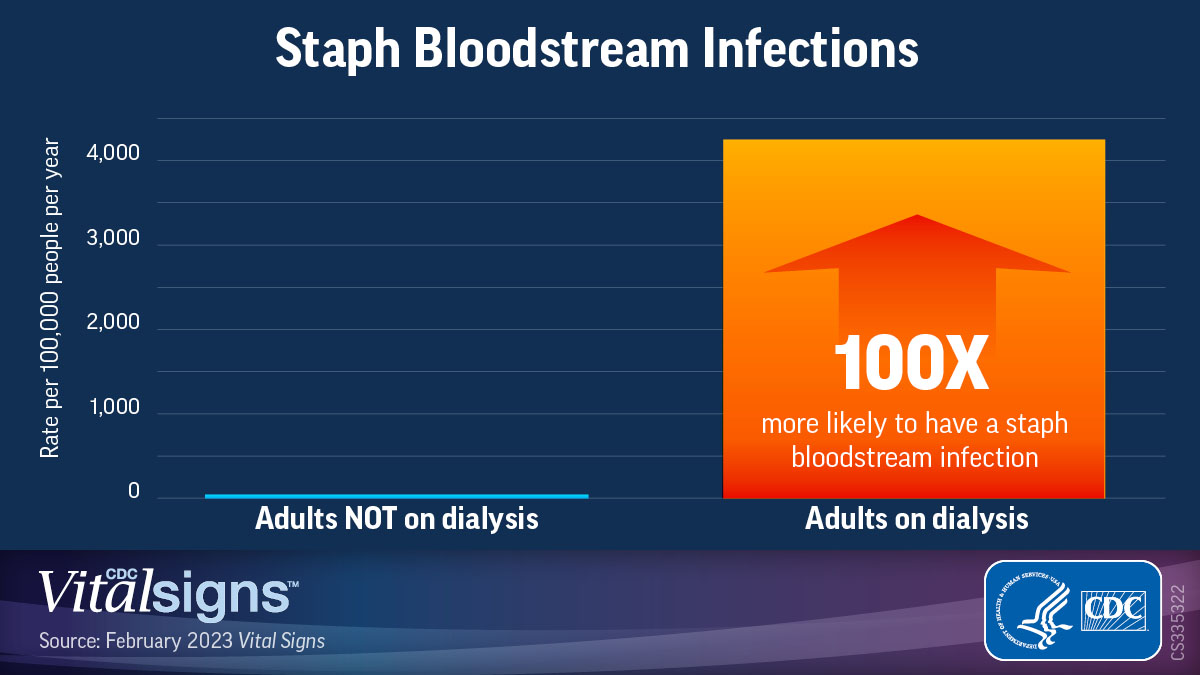
Actions to Reduce Inequities Can Save Lives CDC Newsroom Media Statement – Originally published February 6, 2023 Contact: Media Relations, (404) 639-3286 Adults on dialysis treatment for end-stage kidney disease were 100 times more likely to have a Staphylococcus aureus (staph) bloodstream infection than adults not on dialysis during 2017–2020, according to a new Vital Signs report released today by the Centers for Disease Control and Prevention (CDC). More than half of people in the U.S. receiving dialysis belong to a racial or ethnic minority group—about 1 in every 3 people receiving dialysis is Black and 1 in every 5 [...]

The Case for Personalized Kidney Screening for People with Type 1 Diabetes

2024-03-28T20:57:46-04:00November 3rd, 2022|Categories: Diagnosis of Kidney Disease, eNews, Physical Health|

A new analysis by the Epidemiology of Diabetes Interventions and Complications study group (funded by the National Institute of Diabetes and Digestive and Kidney Diseases (NIDDK), part of the National Institutes of Health) makes a strong case for taking a more personalized approach to screening people with Type 1 Diabetes (T1D) for kidney disease. New findings suggest that urinary albumin excretion rate (AER) could be personalized to individuals with T1D to decrease costs and increase the rate of early detection. People with T1D have about a 50% risk of developing chronic kidney disease (CKD) over their lifetime; if individuals who are [...]

Anemia in People with Chronic Kidney Disease

2024-03-28T20:57:48-04:00October 27th, 2022|Categories: Physical Health, Stages of Kidney Disease, Staying Healthy, The Kidney Citizen|

By Jay Wish, MD Anemia is defined as a lower-than-normal level of hemoglobin in the blood. Hemoglobin is the protein in red blood cells that carries oxygen to all tissues and allows those tissues to carry on their functions, including the creation of building blocks for energy. Hemoglobin is what makes red blood cells red, and this explains why people with low hemoglobin levels may appear pale. Hemoglobin levels less than 13 in men and less than 12 in women is considered anemia. Anemia is common in people with chronic kidney disease (CKD) and may have many causes. It [...]

New Study Shows Age-Related Kidney Function Differs by Gender

2024-03-28T20:57:56-04:00September 8th, 2022|Categories: Diagnosis of Kidney Disease, eNews, Stages of Kidney Disease, What Causes Kidney Disease|

A study of 1,837 people aged 50-62, which replicated accurate measurements of kidney function in health women and men over time, may partly explain why more women are diagnosed with early CKD and more men develop severe CKD and kidney failure as they age. The baseline mean glomerular filtration rate (GFR) was 90 ml/min/1.73 m.2 for women and 98 ml/min/1.73m.2 for men (P<0.001). However, additional measurements over 11 years of follow-up showed that men experienced a mean decrease in GFR 25% more than women. The study, published in Journal of the American Society of Nephrology (JSN) showed that the relationship [...]

Go to Top