In this Issue:
- Finding My Path Through Treatment Options
- Staying Hopeful Through the Wait
- Kidney Replacement Therapy with Less Impact on Daily Life
- Treatment Options for End Stage Renal Disease
- Turning Trials Into Triumph – A Journey with Kidney Disease
- Choosing the Right Path – My Journey with Home Hemodialysis
- Living Fully – My Journey with Peritoneal Dialysis
- 2025 State Medigap Wins & 2026 Priorities
- Kidney Friendly Recipe
President’s Message
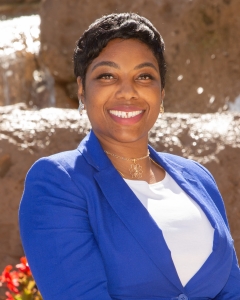
Welcome to this issue of The Kidney Citizen. The theme of treatment options is particularly meaningful to me because my own path through kidney disease taught me a powerful lesson: the choices we make matter, and having the right information makes all the difference.
When I started dialysis, I chose in-center treatment. I know many patients are encouraged to explore home modalities, and those options work wonderfully for many people. But for me, in-center dialysis was the right fit. I valued the clinical support and the structure it provided. This was my first important lesson – there’s no one-size-fits-all approach to kidney care.
As I continued on dialysis, I began preparing for transplant. That’s when I discovered something that changed my strategy entirely: New York, where I live, has some of the longest transplant wait times in the country. Armed with this knowledge, I took action. I got listed at multiple transplant centers, including in Pennsylvania, and it was at the University of Pennsylvania where I ultimately received my kidney.
More than a decade later, I’m still thriving with the kidney I received. But here’s what I want patients to understand: both choices are valid. Some patients are right to accept the first available organ. Others, like me, benefit from waiting. The key is making an informed decision based on your individual situation.
As many of you know all-too-well, the transplant process is long – it can take months of testing, evaluations, and patience. But persistence pays off. And for those who may not be transplant candidates, please know that dialysis continues to evolve. Home dialysis options are improving. New therapies like hemodiafiltration are emerging. Researchers are working on revolutionary approaches like xenotransplantation and blood type-neutral organs that could transform who can receive a kidney.
Innovation doesn’t stand still. Even if you researched your options years ago, treatments available today might be completely different. In this issue, you’ll find stories from patients who navigated different treatment paths, along with insights from healthcare professionals about cutting-edge therapies.
My message is simple: stay curious, stay informed, and never stop advocating for yourself. The more you know about what’s available, the better equipped you are to shape your own care and your own future.
Sincerely,
Merida Bourjolly
President of DPC Education Center Board of Directors
CEO’s Message
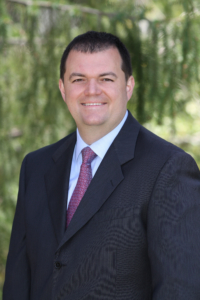
Thank you for reading this issue of the DPC Education Center’s magazine, The Kidney Citizen. As we focus on treatment options available to kidney disease patients, I want to share my own journey – one that has shown me firsthand how much the landscape of kidney care has evolved.
I was diagnosed with kidney disease 14 years ago, shortly after joining DPC. At the time, doctors determined through a process of elimination that I had IgA nephropathy, but there was no treatment available. For a decade, I lived with that diagnosis, doing what I could to manage my condition.
Ten (10) years later, everything changed. My nephrologist told me there were now multiple treatment options available and suggested we confirm my diagnosis with a biopsy. This was a surgical procedure where they removed part of my kidney for testing. The recovery was difficult – I was in pain for well over a week. But the results were surprising: I didn’t have IgA nephropathy after all. I had FSGS.
Three years ago, at Kidney Week hosted by the American Society of Nephrology, I met representatives from Natera, a genetic testing company. They explained that they could test for over 200 different variations of kidney disease. Since my biopsy showed FSGS, and there are six different strains of it, they suggested genetic testing. The remarkable thing? All it required was a simple swab – no surgery, no pain, no recovery time.
When my nephrologist ordered the test, we discovered something unexpected: I actually had Alport syndrome, and the FSGS was secondary to it. This diagnosis matters because today, there are specific therapies available for different types of kidney disease, many of which have gone generic and are now affordable.
This brings me to an important message for all of you. Research shows that more than one in five patients develop kidney disease because of a genetic condition. Many kidney disease patients aren’t the only ones in their family facing this challenge. Even if you are currently on dialysis or have received a transplant, I encourage you to talk to your loved ones about their kidney health.
Let them know about genetic testing – a simple swab that can identify exactly what type of kidney disease they may have. There are now therapies that can slow kidney disease progression and potentially help someone avoid kidney failure entirely. Early detection and proper diagnosis can make all the difference.
DPC’S Education Center exists because so many people with ESRD – including some of our board members – crashed into dialysis without warning, wishing they had known earlier. While DPC focuses on dialysis patient advocacy, the Education Center works to go upstream – to educate others about kidney disease and increase awareness. We want to help people avoid what so many of our members experienced. I’m grateful we’re focusing on treatment options in this issue.
Sincerely,
Hrant Jamgochian, J.D., LL.M.
Chief Executive Officer, Dialysis Patient Citizens
Related Information

Habichuelas tiernas horneadas con parmesano
Receta enviada por: JoEllen Ford, MS, RD, LDN Tiempo de preparación: 5 min Tiempo de cocción: 15 min Tiempo total: 20 min Porciones: 4 Ingredientes: 1 libra (aprox. 450 g) habichuelas tiernas (o judías [...]
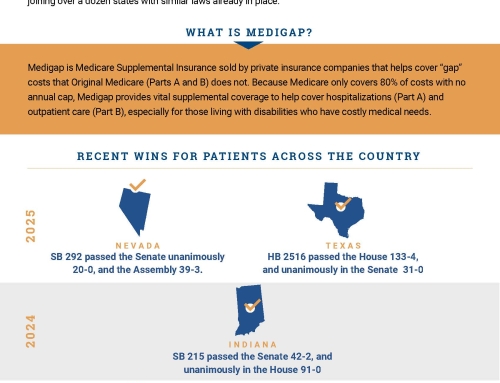
2025 State Medigap Wins & 2026 Priorities
Elizabeth Lively, DPC Eastern Region Advocacy Director Pamela Zielske, DPC Western Region Advocacy Director DPC will continue to build on this momentum in the state Medigap arena in the 2026 [...]

Living Fully: My Journey with Peritoneal Dialysis
Dwan Dobson, DPC Patient Ambassador When I was first diagnosed with kidney failure in 2005, it felt like my life had been turned upside down overnight. One day I was working two [...]

Choosing the Right Path: My Journey with Home Hemodialysis
Amber Gardner, DPC Patient Ambassador When I was diagnosed with kidney failure in 2023, it came as a shock. I had gone to the doctor for high blood pressure, but soon learned [...]
Turning Trials into Triumph: A Journey with Kidney Disease
Alethea Walls, DPC Board Member I've learned that living with kidney disease doesn't mean life stops - it just means you learn to live it differently. My journey with kidney disease began [...]
Treatment Options for End Stage Renal Disease
Nancy Scott, DPC Education Center Project Manager Many patients crash into dialysis and are placed into in-center dialysis centers. Hopefully, more providers are educating patients about treatment options. When patients are engaged [...]