
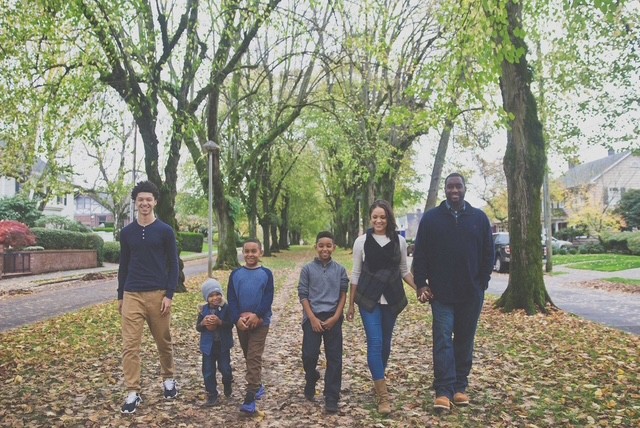

Hasan Artharee, DPC Board Member
Polycystic kidney disease (PKD) runs in my family. I watched my grandmother go through dialysis when I was young, and later my mother during my college years. So, when I was diagnosed with PKD at 22, I understood what the future might hold.
The diagnosis came after my blood pressure kept rising and I needed medication. My doctors checked my kidneys and found that PKD was affecting my blood pressure and other systems. They told me that based on my family history, I’d probably need dialysis or a transplant by my 40s. For the next 13 years, it was about monitoring – annual checkups, tracking my creatinine levels, watching how the disease progressed. Some people with PKD never need dialysis, even in their 60s and 70s. I hoped I might be one of them.
At 35, my kidney function declined enough that dialysis became necessary though. Before I even started treatment, I went through the workup at the hospital and got listed for transplant. I wanted to be ready.
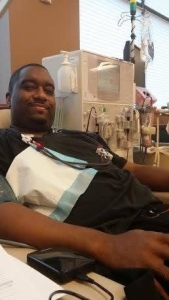
Because I was working, coaching my kids, and living a busy life as a parent, I chose peritoneal dialysis. The flexibility appealed to me – I could do it at home or even at work if needed. I didn’t want to spend so much time at a center. But peritoneal dialysis meant dealing with treatment every single day and adjusting to having a catheter in my stomach.
After about six months, I developed a hernia from the amount of fluid going in and out during treatment. While the hernia healed, I switched to hemodialysis. That’s when I discovered something surprising: I actually preferred it. Hemodialysis was only three days a week. I got my weekends back. I could live a better life not having to do treatment every single day.
I stayed on hemodialysis for five and a half years before receiving my transplant. September 18th marked seven years with my kidney, and so far, everything is going well. Life improved dramatically after transplant. No more dialysis wearing down my body. Now my busiest task is taking my medications and making sure I don’t forget anything – I don’t want anything to happen to this kidney.
 The hardest part wasn’t the physical toll, though that was real. It was the mental aspect. After about four and a half years on dialysis, I started losing hope. Would this ever happen for me? I was tired of coming to treatments, tired of feeling worn down afterward. That hopelessness can really bring you down.
But staying positive became my goal. I communicated regularly with my doctors because even though the wait felt endless, talking and staying informed gave me hope. I was preparing for the day I’d get the call. The mental challenge was enormous – dealing with the disease while trying to live your regular life, adjusting to not working, navigating disability, Medicaid, and Medicare. At 35, it felt overwhelming to deal with all of this so young.
I tried to stay upbeat. Many people told me they didn’t know I was on dialysis because I didn’t look too different. I tried not to show it. I know that approach doesn’t work for everyone, but it helped me keep moving forward – still trying to live as normal a life as possible.
My advice to anyone starting dialysis or waiting for a transplant is to not lose hope. After years of dialysis, it’s easy to feel like it will never happen. But staying hopeful is key. Keep communicating with your doctors. Stay informed. Keep preparing for that day when you do get the call.
The wait is hard. The treatment is taxing. But holding onto hope and trying to maintain your life as much as possible – that’s what gets you through until your moment comes.