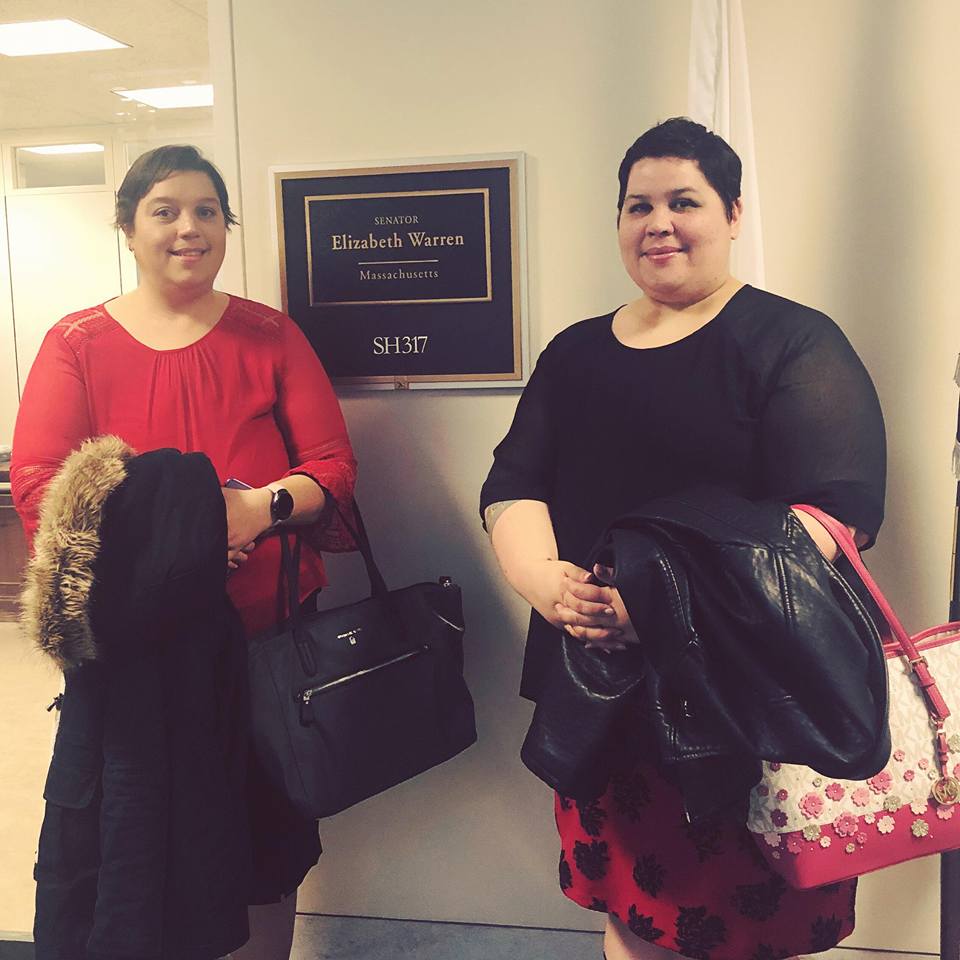
Cheri Rodriguez Jones, DPC Board Secretary
I was seven years old when doctors diagnosed me with a rare kidney disease. The 1980s and 90s didn’t offer much in terms of treatment – just managing symptoms and preserving kidney function as long as possible. Hospital visits became routine.
At 19, after some tests, my doctor called with surprising news: “You need to start dialysis.” While unexpected, I’d always known dialysis was coming eventually. By then I was already a mother to my infant son.
Discovering What Worked for Me
The medical team recommended peritoneal dialysis so I could do treatments at home. I trusted their guidance. It worked well for about seven months until I developed peritonitis – an infection that kept returning. Eventually, the infection became severe enough that I had to switch to in-center hemodialysis.
Something unexpected happened. I lost 30 pounds of fluid and went off all blood pressure medications. I hadn’t realized the peritoneal dialysis wasn’t working as effectively for my body. When they said I could return to PD, I asked to stay on in-center hemodialysis instead. It simply worked better for me.
New Possibilities Through Connection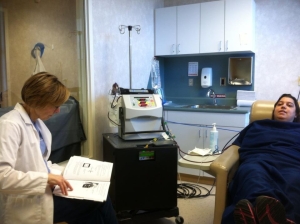
After my first transplant eventually failed and I returned to dialysis, everything had changed. Home hemodialysis had become an option, and social media had opened up whole new communities. Before Facebook groups, you could only learn from people at your dialysis center.
In an online group, I read about patients doing overnight home hemodialysis while they slept. I was working with a long commute, and this could transform my life. I asked my center about it.
“We don’t have a program for that.”
“What do I need to do to make it happen?”
I started writing letters. Three years later, after they established protocols, I got my overnight home hemodialysis program.
Moving Forward
Living with end-stage renal disease is overwhelming. Which treatment should I choose? Am I making the right decision?
Here’s what I want you to know: there’s hope, even when it doesn’t feel that way. Many people have been exactly where you are, and that means countless people who understand and can share their experiences.
 Don’t be afraid to ask questions. Seek out others who’ve walked this path. And when you need something – whether it’s a different treatment option or a program your center doesn’t yet offer – speak up. Write that letter. Yes, it can take time. But it works.
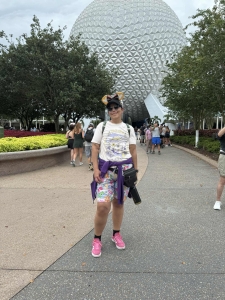
I started dialysis young, before I’d ever taken a real vacation, and I finally got to take my first one just two years ago. Last year, I finally visited family in the Netherlands – something I’d dreamed about my entire life.
My philosophy now: do the things you want to do. Even if the timing isn’t perfect, if you’re able, just do it anyway. We all know tomorrow isn’t promised. Find your joy where you can.
Treatment options that work for one person may not suit another. What worked for me at one stage didn’t work at another. But staying informed, connecting with others, and being willing to fight for what you need – those things make all the difference.
You’re not alone in this.