
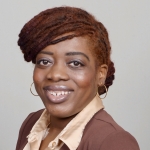
Amber Gardner, DPC Patient Ambassador
When I was diagnosed with kidney failure in 2023, it came as a shock. I had gone to the doctor for high blood pressure, but soon learned that my kidneys were failing. Suddenly, I was faced with decisions that would affect every part of my life – which treatment option to choose, how to adjust my routine, and what this diagnosis meant for my future.
With a background in journalism, research has always been second nature to me. I spent hours learning about dialysis – comparing hemodialysis (HD), done through the arm or a catheter, and peritoneal dialysis (PD), done through the stomach. I wanted to understand every detail before committing to a treatment. At first, I tried to delay dialysis while changing my diet and lifestyle, hoping to slow my disease’s progression. But my body had other plans, and I soon found myself back in the hospital needing immediate treatment.
Shortly after, I began with in-center hemodialysis using a catheter. The adjustment was difficult, not only physically but emotionally. I struggled with the clinic environment, the rotating staff, lack of consistency, and occasional issues with training made it hard to feel comfortable. After experiencing an allergic reaction during one of my sessions, I knew I needed to find a different path.

Six months later, I transitioned to home dialysis. My mother became my legal caregiver, and it has made all the difference. Having a familiar face and steady hands manage my treatments has kept my catheter healthy and infection free. Home dialysis has given me back a sense of control. I can manage my schedule, create a comfortable environment, and focus on my wellbeing without the emotional strain of clinic visits.
The journey hasn’t been easy. Shortly after my diagnosis, I had to resign from my teaching job. Without union protection or clear guidance about workplace accommodations, I didn’t know my rights. My income dropped significantly when I moved from a salary to disability benefits, and I had to learn how to stretch every dollar. But through it all, I’ve found ways to maintain my quality of life, traveling when I can, and finding joy in the small things.
Now, I’m pursuing a living donor transplant to avoid the long wait. I’ve learned that being informed and proactive can make a world of difference. My advice for anyone newly diagnosed is simple: be your own advocate. Check your medical records, ask questions, and don’t be afraid to research every option available. Know your legal rights at work and explore financial programs that can help you stay afloat.
Kidney failure changes your life, but it doesn’t have to take it over. With the right support, information, and determination, you can find a treatment path that works for you. For me, that meant home hemodialysis, and the ability to live my life with more peace, confidence, and hope for what’s next.