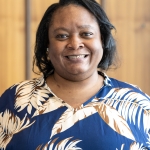
Quiana Bishop, DPC Board President
Ten years ago, I found myself stepping into a dialysis center for the first time. I was uncertain, overwhelmed, and scared. Kidney failure had suddenly become part of my story. But from day one, I made a decision: this diagnosis would not define me. I was going to keep living and keep finding joy wherever I could.
I was raised in Chicago and now call Detroit home. My journey with kidney disease is deeply personal – not just because I live with it, but because I watched my father battle it too. He was on dialysis and received multiple kidney transplants. I learned what resilience looked like. I’d like to think he’s watching me now with pride, seeing me fight for others the way I saw him fight every day.
I once worked as a teacher, with a special love for guiding infants in the classroom. It was more than a job – it was a calling. While my health eventually made it difficult to stay in that role, I never stopped nurturing. These days, that nurturing comes through advocacy, compassion, and connection with those in the dialysis community.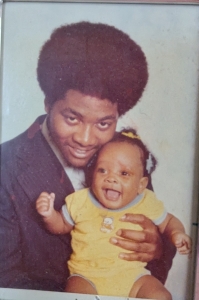
One of the hardest days of my journey came when I learned I wasn’t eligible for a transplant due to additional medical complications. It felt like a door slamming shut, but I refused to see it as the end. “My life doesn’t end there,” I told myself. “Every day I wake up is a chance to make something meaningful happen.” And I’ve tried to do just that.
As a single mom to a soon to be 21-year-old son, my motivation is personal and powerful. He has been my strength, my laughter, my reason. Managing dialysis while raising a child hasn’t been easy, but it’s made every milestone even more meaningful.
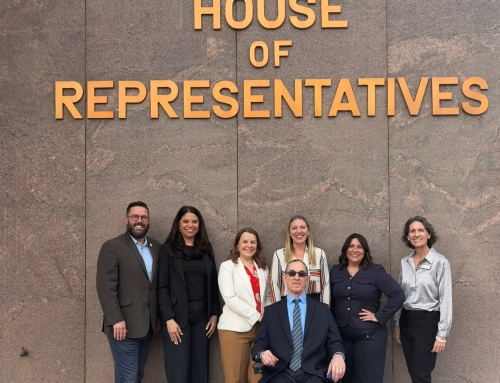
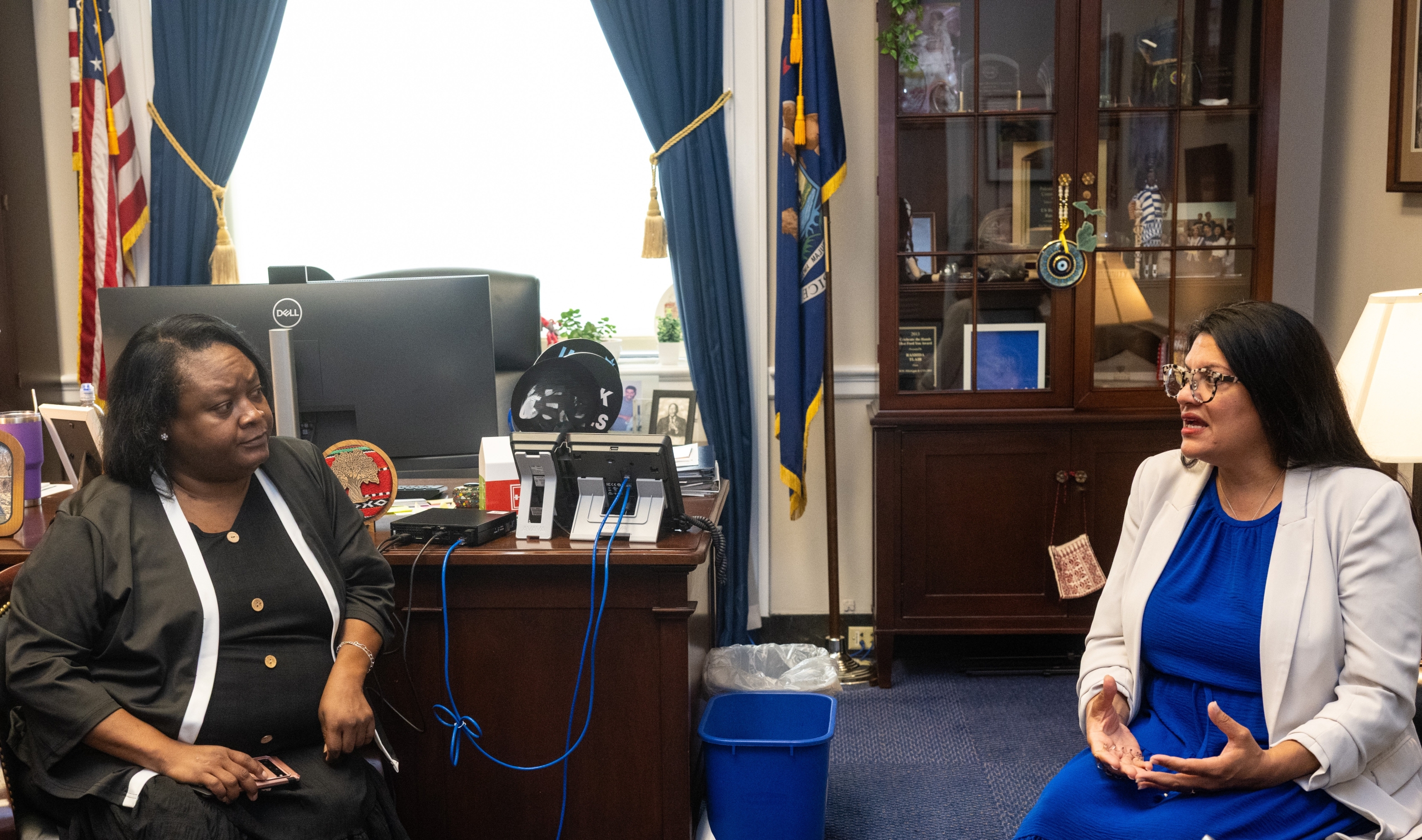
Joining the Board of Directors at Dialysis Patient Citizens (DPC) changed my life. Suddenly, I wasn’t just a patient – I was a voice. A leader. An advocate. Through DPC, I’ve been able to share my story with lawmakers and help push for better policies for people like me. It’s reminded me that our lived experiences have the power to change lives – and laws. When patients speak up, people listen.
People often assume dialysis is something you plan for – but it’s not. It happens fast. You get the diagnosis, and within days, you’re facing machines, needles, and a mountain of paperwork. The system is confusing. The costs are crushing. And the emotional toll can be just as heavy as the physical one. That’s why advocating for patients is so important to me. Any option that gives patients more stability, more support, and more choices should be on the table. What patients need most in those moments is time, support, and clear information, not roadblocks.
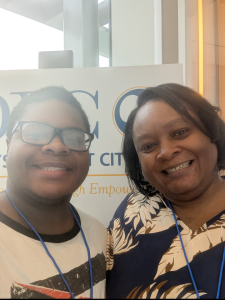 However, I choose to stay hopeful. I show up. I speak out. I’ve testified, written letters, and joined awareness events. I tell lawmakers: put yourself – or someone you love – in my shoes. Imagine managing a life-threatening illness while struggling to afford care or make sense of it all. Then ask yourself what kind of support you’d want to have.
I want people to understand that we are more than our diagnosis. We are parents, workers, caregivers, advocates. We are living, breathing proof that a full life is still possible on dialysis.
To anyone just starting this journey: you’re not alone. You are strong. And your voice matters.
Kidney failure may be a part of my life, but it is not the end of my story. It is the reason I found a new voice. It is why I advocate. It is how I’ve discovered, every day, what it means to live with a purpose.