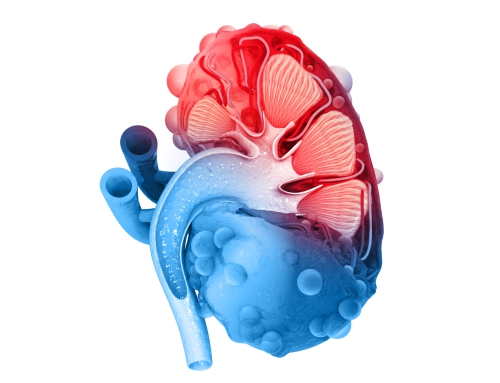

What is living donation? We hear about this often but may not know what it means. This occurs when a healthy person donates (our focus will be a kidney) a kidney to someone who needs a transplant (Directed Donation). Nondirected Donation occurs when the recipient may not know the donor; it can be done anonymously (Nondirected Donation), or Paired Donation when there are two donors and two recipients who need kidneys. They “swap” because the intended donor and recipient are more compatible with the other donor and recipient.
This article focuses on the changes in the living donor process. It is necessary to consult with your respective provider(s) as you consider this process. Your questions and concerns should be directed to the appropriate medical professionals.
The following information was retrieved from Health Resources & Services Administration (www.hrsa.gov), unless otherwise noted.
CHANGES IN LIVING DONATION PROCESS
Recent changes in the living donation process focus on expanding financial assistance, increasing medical data collection to ensure long-term donor safety, and updating exclusion criteria to safely broaden the eligible donor pool.
Key updates include:
- Updated Exclusion Criteria: Transplant programs now have greater autonomy to safely evaluate and accept individuals with Type 2 diabetes or certain malignancies, allowing more prospective donors to qualify. (www.kidney.org)
- Independent Donor Advocates: All living donor transplant programs are required to use independent living donor advocates to ensure informed consent and full understanding of potential risks and consequences.
- Shift in Long-Term Data Collection: The responsibility for long-term (one-year post-donation and beyond) living donor follow-up is transitioning from individual transplant hospitals to the Scientific Registry of Transplant Recipients (SRTR), enhancing data collection on long-term health outcomes.
Update and Improve Efficiency in Living Donor Data Collection
Current policy
Transplant centers are required to track and report how organ transplant recipients are doing over time. However, there isn’t a complete picture of how living organ donors are doing long-term because data on living donors is only required to be collected for two years after donation. While transplant programs must explain the possible risks of donation to anyone considering it, they are only required to submit follow-up information for two years after the donation. Because of this, the information available to help donors understand long-term outcomes is limited.
Feb 4, 2026 — Proposed changes
Transplant programs will start collecting information about people who are thinking about becoming living organ donors. This includes not only those who go on to donate, but also those who do not donate.
- After one-year post-donation, the responsibility for collecting data on how living donors are doing over the long-term will be moved to the Scientific Registry of Transplant Recipients (SRTR).
Anticipated impact
- What it’s expected to do
- Provide more data to better understand long-term outcomes of living donation
- Help empower living donors to make informed decisions
- Enhance living donor protections
- Provide more data to better understand potential barriers to living donation by requiring data collection on potential living donors who do not donate
- Remove the two-year follow-up data collection requirement for transplant hospitals
- Transition long-term living donor follow-up data collection to the SRTR
- What it won’t do
- Transplant hospitals will still be required to submit follow-up data for living donors for one-year post-donation.
- The policy change does not negate the importance of transplant hospitals providing long-term care to living donors.
Terms to know:
- Living donor: living person who chooses to donate an organ for transplantation, such as a kidney or a segment of the lung, liver, pancreas, or intestine.
- Scientific Registry of Transplant Recipients (SRTR): As called for by the National Organ Transplant Act (NOTA), the SRTR is a national organization which provides ongoing evaluation of clinical data about organ donors, transplant candidates, and recipients, as well as patient and graft survival rates.
- Potential Living Donor: A living individual who intends to donate an organ for transplantation but from whom an organ has not yet been recovered.