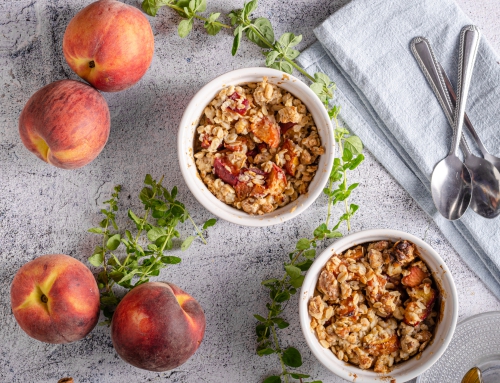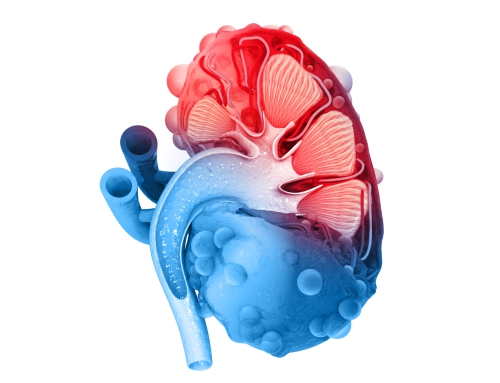

The holidays are here! Let us not forget that the holidays are not always joyous for everyone, especially those with chronic diseases. Holiday events tend to focus on food and often food that is not renal friendly. Research foods that still taste good but are also good for you! Get plenty of rest and watch your fluids. You can still have fun but just be mindful so that you can enjoy the holidays because of being compliant.
On another note, some individuals may be sad for many reasons—lack of support, loss of a loved one, finances, not feeling well most of the time—the list goes on and on. If you are able to reach out to someone who you know is having difficulty, do so. A kind word, a text, a phone call or a card to let them know that you are thinking of them. A simple gesture can go a long way!
The following tips on loneliness and managing chronic illness were retrieved from Hackensack Meridian Health (www.meridianhealth.org) and Mt. Sinai Medical Center (www.msmc.com )
Retrieved from Hackensack Meridian Health (www.meridianhealth.org)
How You Can Help People Cope With Loneliness During the Holidays
November 17, 2025
The holidays are often described as the most wonderful time of the year: a season filled with laughter, family and celebration. Yet for many people, this season can bring a different emotion: loneliness. Whether someone is grieving a loved one, living far from family or simply feeling disconnected, loneliness during the holidays is far more common than most realize.
Swapnil Patel, M.D., an internal medicine physician at Jersey Shore University Medical Center, warns that loneliness can directly impact physical health. A publication in The New England Journal of Medicine recently highlighted that loneliness and social isolation increase the risk of heart disease, depression, cognitive decline and even early death. Other research in JAMA Network Open found that people with strong social ties live longer and recover more quickly from illness than those who feel isolated.
Simply put, feeling connected to others isn’t just nice, it’s vital for our health. These connections are even more important during the holidays.
How You Can Help People Cope and Reconnect
You don’t need grand gestures to combat loneliness. Small, consistent actions make a meaningful difference. Evidence from several health studies shows that intentionally building connection, reframing negative thoughts and staying engaged with others can significantly improve well-being. Dr. Patel offers a few ways that you can make a difference:
- Reach out first: Send a text, make a call or invite someone to coffee. Even a simple “How have you been?” can mean a lot.
- Send a card or note: a handwritten card or thoughtful note can brighten someone’s day–especially if they’re feeling forgotten.
- Do something kind: Offer to run an errand, bring over a meal or just sit and chat. Kindness goes a long way.
- Listen and talk: If someone seems down, let them talk. Just being there and listening can help a lot.
- Invite them to join a group or volunteer: Whether it’s a book club, walking group or local charity, shared activities foster belonging and give purpose to the season.
- Start new traditions: If old traditions bring up sadness, make new ones. Host a movie night, cook a favorite meal with friends or take a holiday light walk.
- Encourage a break from social media: Remember, online highlights don’t tell the whole story. Real connection happens in person, through genuine interactions.
- Suggest more support: If they can benefit from outside help, encourage them to talk to a counselor or join a support group.
Why Loneliness Affects Health
Loneliness is more than being alone; it’s the feeling of being unseen or disconnected, even when surrounded by others. Over time, that emotional pain can take a physical toll. Dr. Patel notes that people who feel lonely often experience higher stress levels, poor sleep and weaker immune function. Studies also show that loneliness can increase inflammation, raise blood pressure and make chronic conditions harder to manage.
Experts now consider loneliness as harmful to health as smoking or obesity. Connection is powerful. Human connection can calm stress hormones, strengthen the heart and improve mood. When that connection is missing, the body feels it.
The Healing Power of Connection
The good news is that connection heals. Dr. Patel explains that spending time with loved ones, sharing a laugh or even having a meaningful conversation can boost mental well-being and physical resilience. People with strong social networks tend to be happier, healthier and more likely to live longer.
Connection also helps buffer life’s stressors by giving us a sense of belonging and purpose, especially during the holidays. Whether it’s checking in on a friend, joining a community event or volunteering, small moments of togetherness add up in powerful ways.
Who Might Feel Lonely During the Holidays?
Loneliness can affect anyone. While older adults may struggle after the loss of a spouse or when living alone, young adults navigating transitions like college or new jobs can also feel disconnected, even in busy social settings. People with chronic illnesses, those far from family or anyone experiencing life changes such as divorce or relocation are particularly vulnerable.
Recognizing these feelings isn’t a sign of weakness, Dr. Patel says, but rather an important step toward healing. The more we talk openly about loneliness, the more likely we are to find understanding and support.
A Season For Connection
The holidays can stir many emotions, but they also remind us of what matters most: our connections with one another. Whether through family, friends, faith or community, reaching out and showing care has the power to improve both emotional and physical health.
Loneliness is not permanent. With awareness, compassion and effort, we can make this season a time of warmth and connection for everyone.
Retrieved from: Mt. Sinai Medical Center (www.msmc.com)
Managing Chronic Illness During the Holidays
Tips for staying healthy and enjoying the season
The holiday season is a time for joy, family, and exciting celebrations. For those living with chronic illnesses, managing their health can add an extra layer of concern and make it difficult to enjoy the festivities. Conditions such as heart disease, diabetes, COPD, asthma, cancer, osteoporosis, and others often require ongoing care and attention, which can be challenging when you’re juggling travel, social events, and holiday meals. However, with the right strategies and preparation, the season can remain merry and bright without compromising your well-being.
If you’re living with a chronic illness, it’s essential to prioritize your health and practice self-care to avoid flare-ups or complications. Take time to plan, set realistic goals for your body, and allow yourself to rest when needed. It’s also paramount that you communicate with your loved ones about your health needs and the importance of taking it easy during the busy holiday season, so they can better understand your concerns.
Here are some practical tips for managing your chronic illness over the holidays:
1. Stay Active
Maintaining your regular exercise regimen (or jump-starting a new one) can significantly benefit your health and help you manage your chronic illness during the holidays. By staying active, you can reduce any high-level stress you’re feeling, boost your energy levels, improve your joint health, and maintain a healthy cardiovascular system. Even if you’re busy with holiday preparations, try to fit in short workouts, such as walking or stretching, to control your chronic condition.
2. Stick to Your Medication Schedule
While the holidays can disrupt your daily routine, it’s essential to continue taking your medications as prescribed, even when your schedule changes. Whether you’re managing pain, controlling symptoms, or taking maintenance medications, don’t delay or skip your doses. If you’re traveling, talk to your doctor about carrying an extra supply of medications to avoid running out, and consider setting reminders to ensure you stay on track.
3. Monitor Your Symptoms
The holiday season comes with its own set of triggers including stress, the meals you eat, and any travel plans you may have. Amidst the mayhem, keep track of how you’re feeling by logging your energy levels, mood, pain, or flare-ups. Monitoring your symptoms can help you identify potential issues, making it easier to address them with your doctor.
4. Avoid Overindulging
Yes, holiday meals can be tempting, but overeating or consuming too much alcohol can be hard on your body and exacerbate symptoms, especially if you have a chronic illness. In doing so, you’re allowing your body to lead to inflammation or digestive issues. Instead, try to stick to your usual dietary habits, choosing foods that you know won’t cause any flare-ups to your body at holiday meals, and don’t be afraid to say no to second servings or alcohol if it doesn’t align with your health needs. For example, if you have a sweet tooth, consider replacing dessert with a healthier option, or eating a smaller portion of your main meal to leave room for a small indulgence. If you prefer a charcuterie board, enjoy it at the start of your meal but skip the carbohydrates during dinner. These adjustments can help balance pleasure and health.
5. Prioritize Rest and Sleep
Quality sleep is crucial in managing your chronic illness during the busy holiday season. Lack of sleep can increase inflammation in the body, reduce your immunity, and impact your body’s ability to heal. Aim to get 7-9 hours of sleep each night, and if you’re feeling fatigued, take short naps throughout the day to recharge. Try managing your caffeine intake, limiting screen time, and dimming or turning off the lights when taking a nap or going for bed. These simple steps help ensure you’re well-rested, energized, and in a great mood to celebrate with your loved ones.
Managing a chronic illness during the holidays can be challenging, but by devising a healthy and realistic plan, you can still enjoy this special time with family and friends. By staying active, sticking to your medication schedule, monitoring symptoms, and prioritizing rest, you can reduce the impact of your condition during the holiday activities.