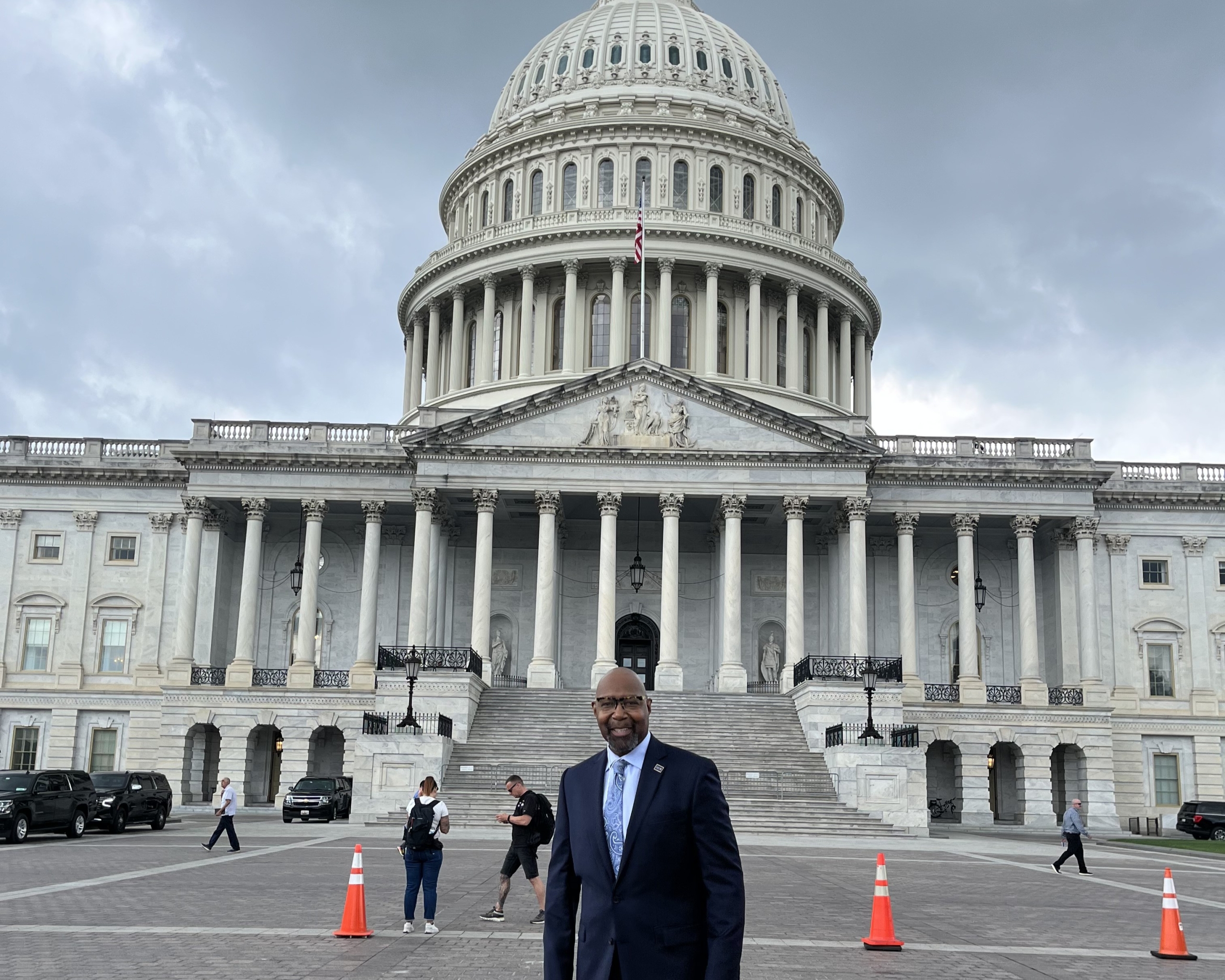
Albert Bailey Brisbane III, DPC Patient Ambassador
I was a teenager when I first heard the word dialysis.
In 1981, my father suddenly became critically ill while at work and was rushed to the hospital, where he passed away two weeks later. I remember being told that he refused dialysis. I didn’t know what dialysis was, only that my hero was gone forever.
Years later, I heard that word again — dialysis. This time, it was my mother.
Her experience came suddenly, and she began emergency dialysis in the hospital. In that moment, my sister and I didn’t think about treatment. We thought about death because that had been our only reference point. We pleaded with our mother to fight and not to lose hope.
We learned all we could about ESRD to best support our mother. We needed her to live, not just survive.
When my father became ill in 1981, treatment options were limited. Dialysis was often performed in hospitals, as there were few independent centers. Conversations about kidney disease were rare, and travel (or anything resembling normal life) was often out of reach.
By the time my mother began dialysis years later, progress had begun, but awareness and access were still evolving.
Today, the landscape has changed dramatically because of innovation. Dialysis centers are more widely available, home therapies such as peritoneal dialysis and home hemodialysis offer greater flexibility, and advancements in medications, vascular access, and technology have improved both lifespan and quality of life. Many patients can now work, travel, and live with far less disruption.
When I heard the word dialysis a third time, it was about me.
In my early 50s, I began experiencing health challenges, and after a year of testing, I was told to prepare for dialysis. I had always lived a healthy, active life, so it was surprising to learn that I had focal segmental glomerulosclerosis (FSGS), a rare disease affecting about 7 out of 1 million people. Because early symptoms are often mild or nonexistent, it went undetected for years.
My mind immediately went back to my father. I began to wonder if it was my fate to die young the way he had at 44.
By this time, my mother was thriving on dialysis. She encouraged me to have a fistula placed so that when the time came, I would be better prepared for treatment. Her wisdom and lived experience gave me confidence.
I watched her go from not knowing what dialysis meant to becoming a powerful advocate and Patient Ambassador with Dialysis Patient Citizens (DPC). She educated herself, advocated for her own care, and then for others new to dialysis — showing me what was possible — and encouraging me to get on the transplant list.
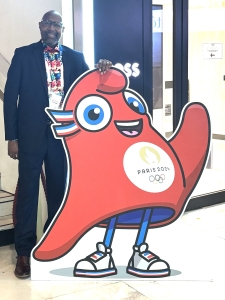
I was successfully transplanted within four years by a team at Mount Sinai Hospital in New York City, following a younger cousin who had been transplanted by the same team a few years earlier. We both remain under their care, and advances in technology and medicine have allowed for life-saving adjustments in real time; extending the life of our kidneys and, with it, our future.
I’ve traveled to Paris for the 2024 Olympic Games with my cousin, Olympic legend Bob Beamon, an experience that once would have felt out of reach.
I reclaimed my life as a professional musician and began traveling again. Bob and I, both professional musicians, performed in concert with Ibrahim Malouf at the world-renowned Olympia Theatre in Paris; another reflection of what is possible today.
I carry my father’s story and my mother’s example, both shaping how I choose to live. They taught me that ESRD is not the end of life, just the end of kidney function.
At the time of my mother’s diagnosis, I began to understand something I couldn’t have understood as a teenager.
My father didn’t give up. As much as he didn’t want to leave us, he advocated for himself by saying no at a time when dialysis was not associated with possibility. He made the best decision he could with the information he had in such little time.
At that time, outcomes looked very different. In the early 1980s, many patients on dialysis lived only a few years, and survival rates were far lower than they are today. Through the 1990s, advances began to improve longevity, but uncertainty remained. Today, many patients live five to ten years or longer, some for decades, with access to better treatment, technology, and support.
Understanding that reality helped me see my father’s decision with greater clarity and compassion.
Today, I continue my mother’s path as a Patient Ambassador with DPC, while also mentoring patients at my church and former dialysis center — helping others navigate a journey that once felt uncertain for us.
I am the hope my father lost and the hope my mother gave.
Hope and innovation are not just about treatment, they are about access. Access to information, to options, and to the ability to make informed decisions.
Because of my mother, because of innovation and access to information, I am here.
Living.
After seven years on dialysis and three years post-transplant, I’m not just surviving. I’m living a life that once didn’t seem possible.