

Jackson Williams, DPC Vice President of Public Policy
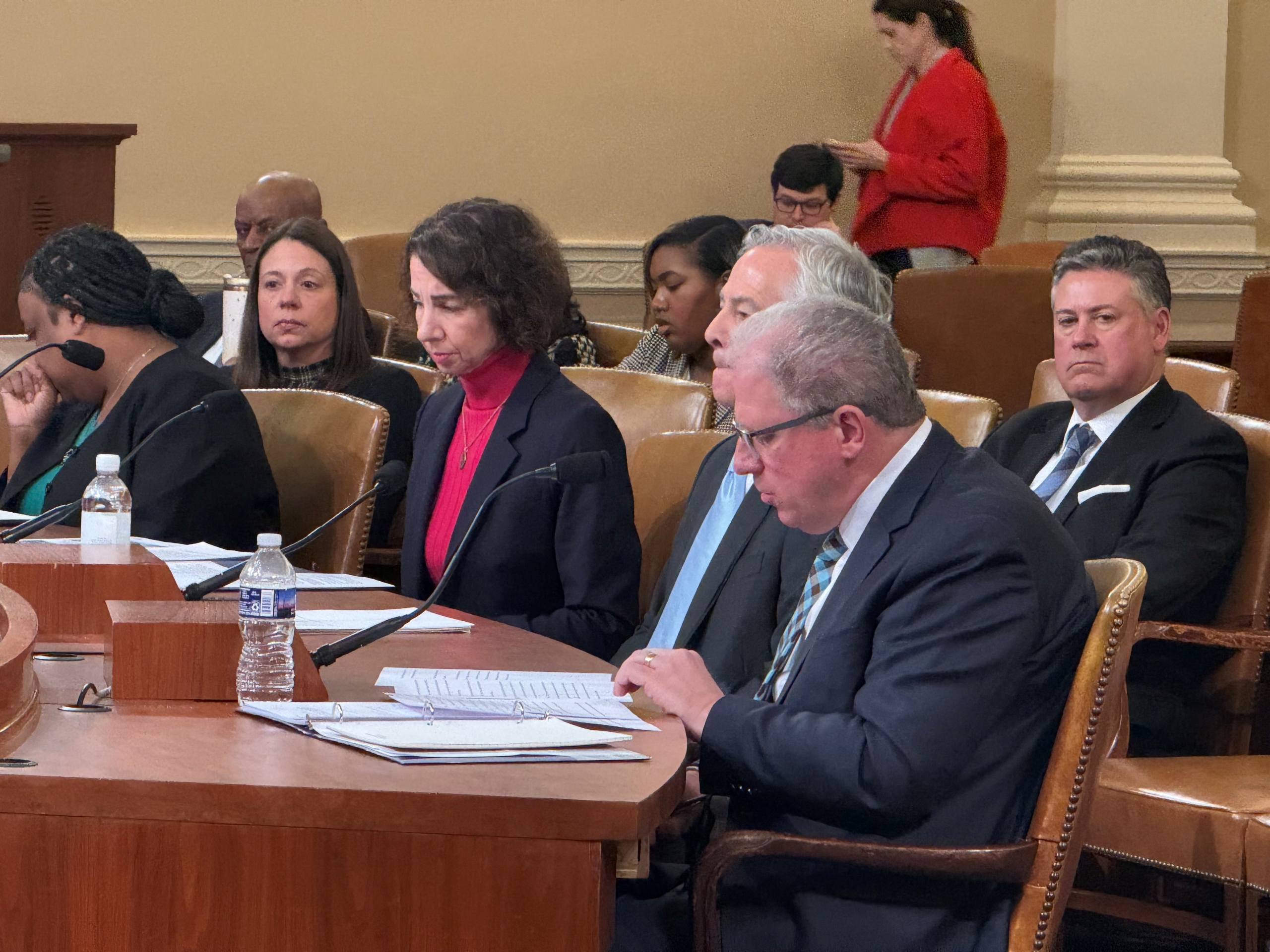
On March 18, 2026, the House Ways and Means Subcommittee on Health held a hearing titled “Improving Kidney Health Through Better Prevention and Innovative Treatment”. This hearing allowed patients, providers, and other stakeholders to highlight the struggles many kidney patients face and the barriers that prevent them from accessing better, innovative treatment.
This was exciting for kidney care advocates, as challenges have mounted since Congress last addressed kidney health in 2008. Better still, the questions from Members of Congress demonstrated that committee leaders understand those challenges and potential solutions. They are knowledgeable about these issues in large part because patients have shared their experiences and insights.
These excerpts from statements to the committee submitted by kidney health innovators summarize some of the exciting developments in improving dialysis care. But they also show how Medicare’s payment policies discourage adoption of these new therapies.
John Butler, Akebia Therapeutics
Although innovation in many areas of science has been transformative, there has been little innovation in dialysis, prompting nephrologists to call dialysis a profound “innovation desert.”
The Centers for Medicare & Medicaid Services (CMS) tried to address the statutory deficiencies of MIPPA by creating a Transitional Drug Add-on Payment Adjustment (TDAPA) in 2020 to provide payment for innovative drugs on top of the base rate, but only for two years. While well intended, the limited duration of the TDAPA period creates obstacles for the adoption of innovative therapies in dialysis settings. Two years is not sufficient time for dialysis providers to assess the value of a new treatment option for their patients, conduct pilots in their facilities, evaluate real-world impact, establish new protocols, engage in contracts, and educate clinical staff. In addition, physicians are generally unwilling to prescribe a new drug if they are concerned that patients will lose access once the TDAPA period ends, due to limitations in the dialysis facility’s prescribing list or formulary.
Experience to Date
There have been only four innovative dialysis drugs approved by the Food and Drug Administration (FDA) and granted TDAPA by CMS since its inception. The first two drugs reached less than 1% of dialysis patients during their TDAPA periods, despite significant unmet need in their therapeutic areas.
Korsuva (difelikefalin) is the first and only FDA-approved therapy for CKDassociated pruritus, a condition that affects approximately 35 percent of ESRD patients. Korsuva received breakthrough status from the FDA, which is awarded to investigational products that demonstrate significant improvement over existing therapies for serious or life-threatening conditions. The condition is characterized by intense and relentless itching, skin lacerations, scarring and infections, all of which diminish patient quality of life. The cost to the Medicare system of treating infections and hospitalizations related to pruritus can be significant.
During its TDAPA period, nephrologists were unwilling to prescribe Korsuva, knowing they would have to take patients off the product after its two-year TDAPA, which ended on March 31, 2024. Even physicians who served as principal investigators in the clinical trials and had directly observed the drug’s efficacy, felt it would be “unethical” to provide relief for patients during the drug’s TDAPA period, if forced to withdraw treatment due to lack of payment in the post-TDAPA period.
Now in that post-TDAPA period, dialysis organizations are unwilling to make Korsuva available because of the inadequate Medicare reimbursement under CMS’ flawed post-TDAPA policy. CMS pays $0.11 per dialysis session for a product that costs facilities about $27 per session. This means a typical dialysis facility would have to receive that $0.11 from 250 patients to have the resources to support a single patient with Korsuva, when an average facility census is 60-80 patients. Although the product continues to be available for purchase under an agreement with another company, Cara Therapeutics, the developer of Korsuva, ceased operating as an independent company.
Jesduvroq (daprodustat), the second TDAPA drug, was a first-in-class drug to treat anemia in dialysis patients. GSK, the developer of Jesduvroq, removed the drug from the U.S. market at the end of 2024 – before even finishing the product’s TDAPA period, likely recognizing that the bundle’s reimbursement is inadequate to support continued patient access. GSK has abandoned further dialysis research.
The failure of the first two TDAPA drugs to reach the patients for whom they were developed demonstrates that TDAPA has not achieved its intent. Without changes, access to the two current TDAPA drugs could be compromised as well. Not only could patients lose potential clinical benefits, but the Medicare system could lose significant savings from reduced hospitalizations and other downstream costs.
VAFSEO® (vadadustat), Akebia’s product, is a hypoxia-inducible factor prolyl hydroxylase (HIF PH) inhibitor indicated for the treatment of anemia due to chronic kidney disease in adults who have been receiving dialysis for at least three months. The unique mechanism of action (MOA) was built on Nobel Prize-winning science in 2019. This novel drug provides an important alternative to pre-existing erythropoiesis-stimulating agents (ESAs). As an oral anemia treatment, it provides a significant practical advantage for patients on home dialysis making it important to the goal of expanding home modalities, as well as offering simple titration and fewer dose modifications for patients choosing any dialysis modality.
The clinical evidence and early data generated since launch of VAFSEO shows significant potential value for patients with ESRD and the Medicare program. A posthoc analysis of the pivotal Phase 3 INNO2VATE trial in patients undergoing dialysis showed a statistically significant reduction in the composite endpoint risk of death and hospitalization with VAFSEO compared to darbepoetin alfa (an ESA). In addition, a cost comparison analysis of the data showed VAFSEO has significant impact on the cost of hospitalization versus darbepoetin – about an 8% reduction in hospitalization rate, a 16% reduction in hospital days, and a 15% reduction in Medicare hospitalization costs. Nearly $2 billion in annual savings to Medicare could be achieved if all eligible beneficiaries received VAFSEO.
Legislative Solution
Given the urgency of dialysis patients losing access to new innovative products in real time due to the lack of sustained funding, Akebia urges the Subcommittee to act on important legislation that was introduced by two of its members, Congresswomen Carol Miller (R-WV) and Terri Sewell (D-AL). As long-term champions for kidney patients, their legislation, H.R. 6214, the Kidney Care Access Protection Act (KCAPA), would take concrete steps to address the lack of access to innovation.
Joseph Todisco, CorMedix Therapeutics
Patients with end-stage renal disease face a heightened risk of serious, often life-threatening complications. The hemodialysis access required to sustain their lives often exposes them to dangerous bloodstream infections that often times are fatal.
Approximately 25% of ESRD patients who receive hemodialysis use a central venous catheter (CVC) for vascular access. 80% of new ESRD patients begin hemodialysis via CVC. Catheter-related blood stream infections (CRBSIs), are among the most common and life-threatening complications of hemodialysis delivered through a CVC, and DefenCath®, our unique therapy, is the only FDA-approved drug product indicated to reduce this risk in adult patients with kidney failure.
CRBSIs happen fast, usually within the first 90 days after hemodialysis patient has a catheter inserted. CRBSIs happen often, as approximately one third of catheterized ESRD patients will contract a CRBSI. CRBSIs kill at an alarming rate, as approximately 25% of them are fatal, making these preventable infections a leading cause of morbidity and mortality in the ESRD population. Moreover, they are a major driver of excess and avoidable Medicare spending. Recently published data indicate that CMS alone spends more than $2.3 billion per year on treatments and hospitalizations related to CRBSIs in the ESRD population.
DefenCath’s pivotal phase III study, LOCK-IT-100, demonstrated a 71% reduction in risk associated with CRBSIs in adult patients. DefenCath has been commercially available for approximately 21 months, and the realworld evidence confirms results consistent with those observed in the clinical trial. In a large-scale patient analysis conducted with US Renal Care, the third largest dialysis provider in the U.S., DefenCath replicated a greater than 70% reduction in CRBSIs and was associated with a corresponding reduction in CRBSI related hospitalizations.
Additional data from another customer, a mid-sized dialysis operator, showed a 97% reduction in CRBSIs following a broad implementation of DefenCath across catheterized ESRD patients. Together, these outcomes represent meaningful improvements for patients and suggest substantial opportunities to reduce avoidable Medicare spending.
The success of DefenCath in improving overall kidney health, the improvement in patient outcomes, and potential reduced Medicare spending, is in jeopardy with the pending expiration of temporary direct reimbursement under the current ESRD Prospective Payment System (PPS) on June 30th. Innovative drugs in ESRD currently receive only two years of separate reimbursement under CMS’s Transitional Drug Add-On Payment Adjustment (TDAPA), followed by only three years of a post-TDAPA bundle adjustment.
Preventing CRBSIs saves lives and avoids costly and disruptive hospital admissions. It allows patients to remain in routine outpatient dialysis – the highest-quality and most costeffective care setting – while preserving overall health and transplant eligibility. Even a single CRBSI can disqualify a patient from kidney transplantation, the preferred long-term therapy for ESRD and a priority under the Administration’s Make America Healthy Again (MAHA) initiative. For Medicare, which covers over 80% of ESRD patients, widespread adoption could generate billions in savings by avoiding hospitalizations and related costs.
ESRD patients have historically had access to the fewest innovative therapies of any major disease population, reflecting the structure of the ESRD PPS and the short-term nature of TDAPA. TDAPA was intended to encourage innovation through temporary separate reimbursement for new drugs, but the structure has proven to unintentionally undermine patient access. Two years is insufficient for providers to pilot programs, implement protocols, train staff, negotiate contracts, and collect robust real-world data to determine if broader use is warranted. The temporary payment followed by the impending “reimbursement cliff” also discourages dialysis providers from initiating novel therapies. As a result, the current framework limits patient access to innovation and constrains the personalization of care.